

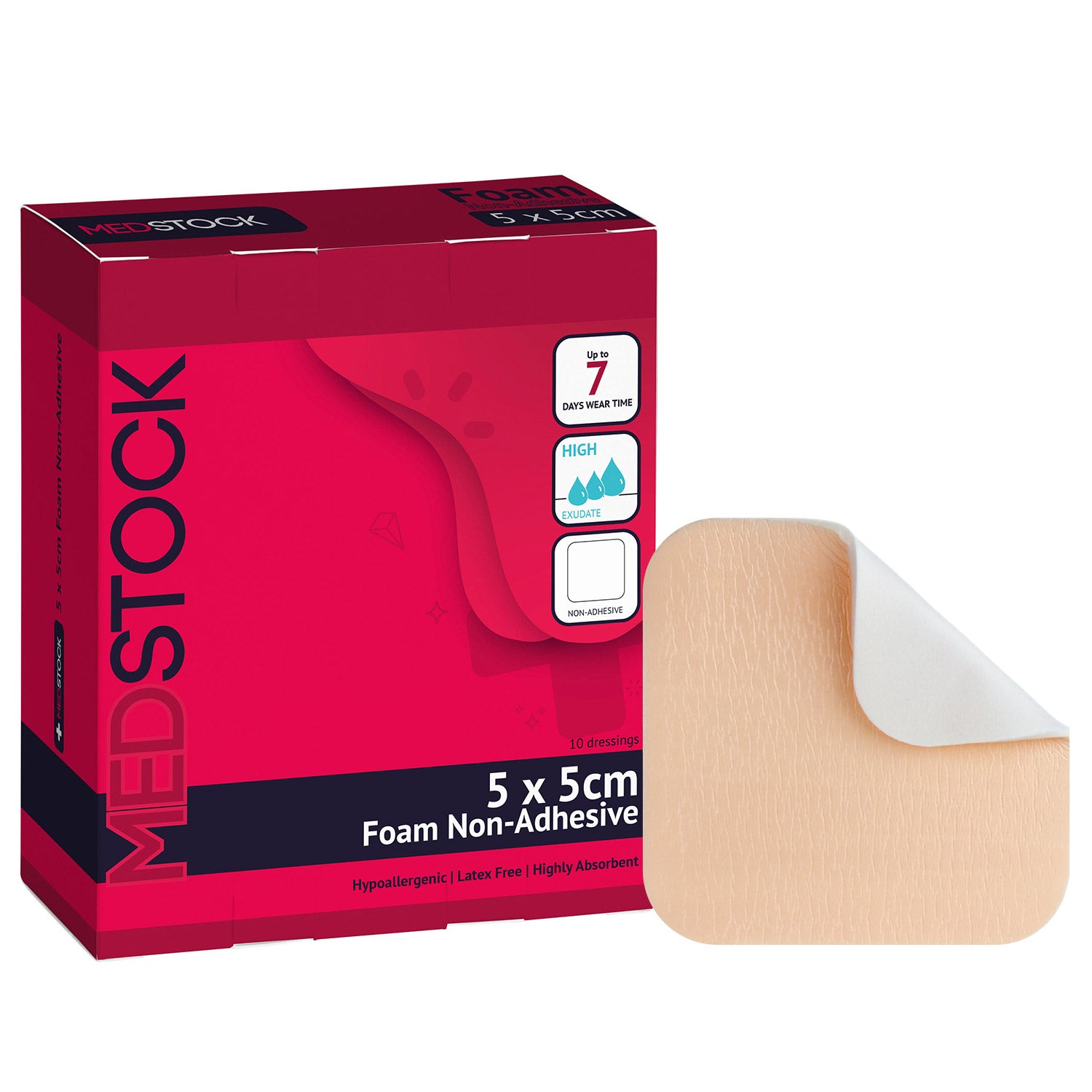
Medstock Foam Non-Adhesive Dressing is a highly absorbent, polyurethane foam dressing that contains carboxymethylcellulose (CMC) hydrophilic granules that promotes and maintains a balanced, moist healing environment.
- Highly absorbent
- Reduces the risk of maceration to wound and periwound
- Embedded with carboxymethylcellulose hydrophilic granules that promotes a moist wound healing environment
- Ability to vertically wick exudate away from the wound and retain exudate in the core of the foam
- Non-adherent to the wound preventing damage to healing tissue
- Surface layer consists of a semi-permeable polyurethane film to protect the wound against water, bacteria and foreign matters
- Good elasticity which prevents pressure on the wound bed
- Effective odour control for malodorous wounds
- Suitable for wounds with low to high exudate
- Adaptable to different phases of wound healing
- Partial thickness burns
- Pressure ulcers
- Venous ulcers
- Arterial ulcers
- Mixed aetiology ulcers

Related Products
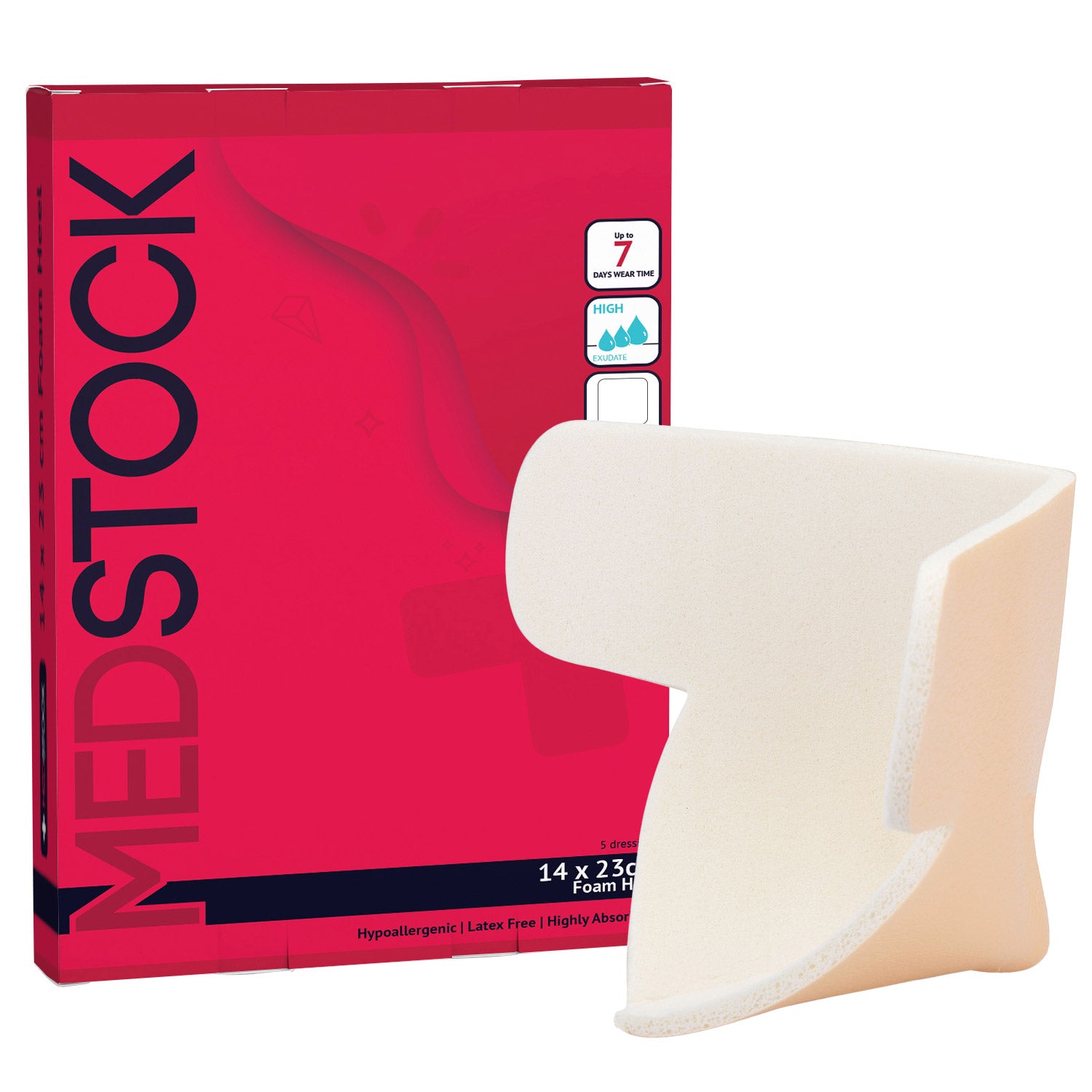
Foam Non-Adhesive Heel Dressing
Medstock Foam Heel Non-Adhesive Dressing is a highly absorbent, polyurethane foam dressing that has been specifically designed to comfortably fit around the heel contour. It contains carboxymethyl cellulose (CMC) hydrophilic granules that promote and maintain a balanced, moist healing environment.
Read more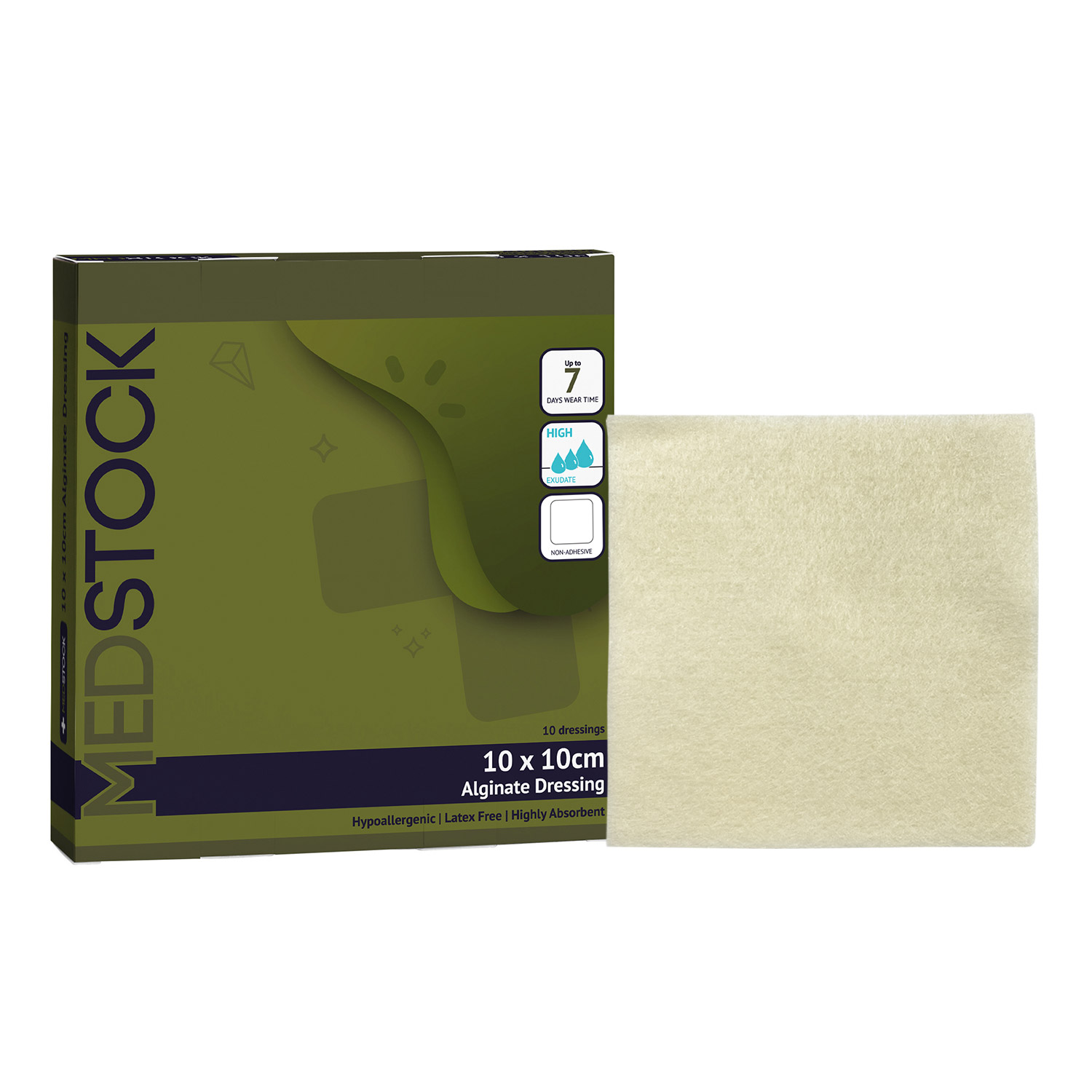
Alginate Dressing
Medstock Alginate Dressing is a naturally derived, non-woven dressing made of 100% calcium alginate fibres that effectively absorbs exudate and provides a moist healing environment.
Read more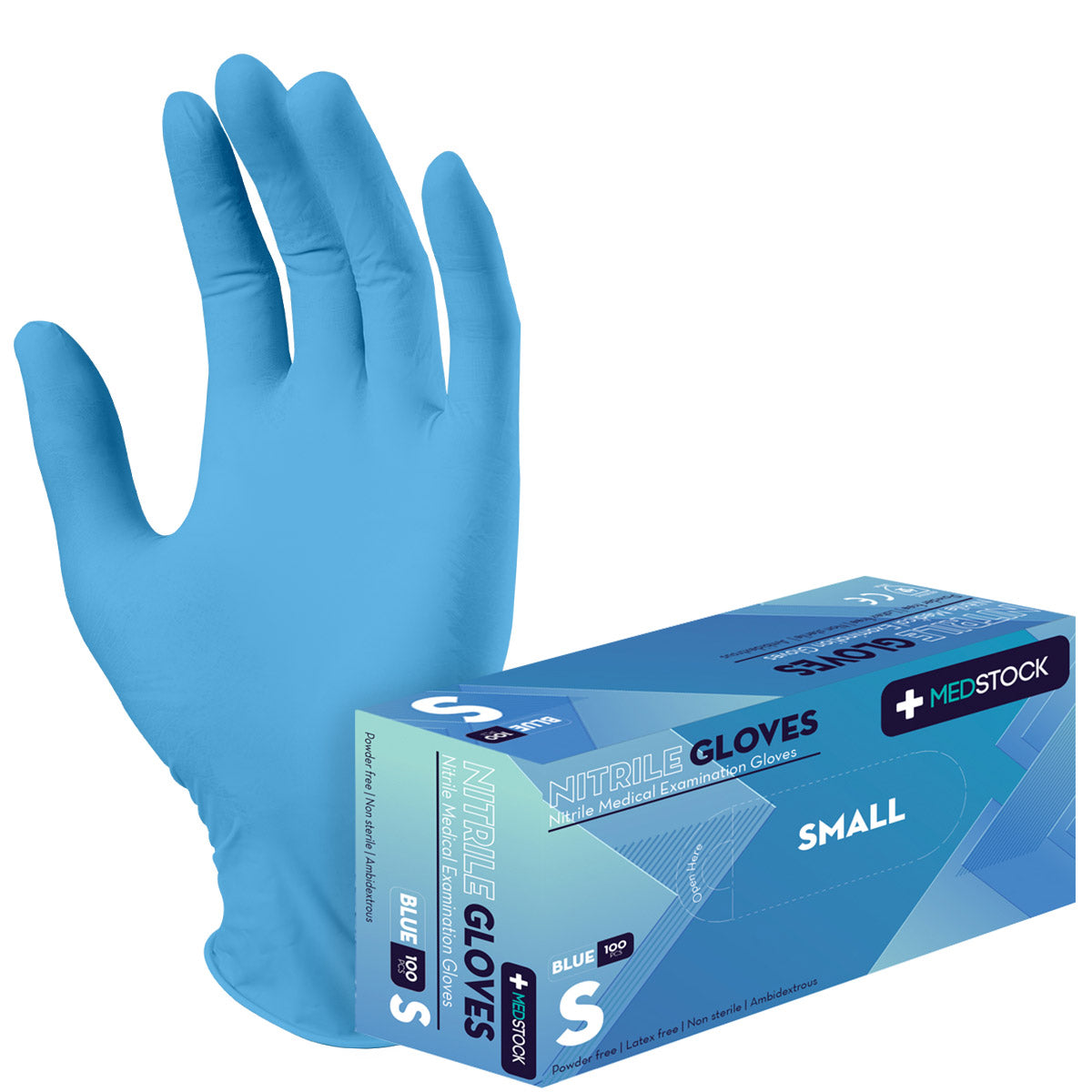
Blue Nitrile Medical Examination Gloves
Medstock Blue Nitrile Examination Gloves are medical grade and are specifically designed to give users a high level of comfort due to their elastic synthetic structure and unique textured fingers that enable a more firm grip. Medstock Blue Nitrile Examination Gloves particularly suit those who suffer from latex and skin allergies, as they are latex and […]
Read more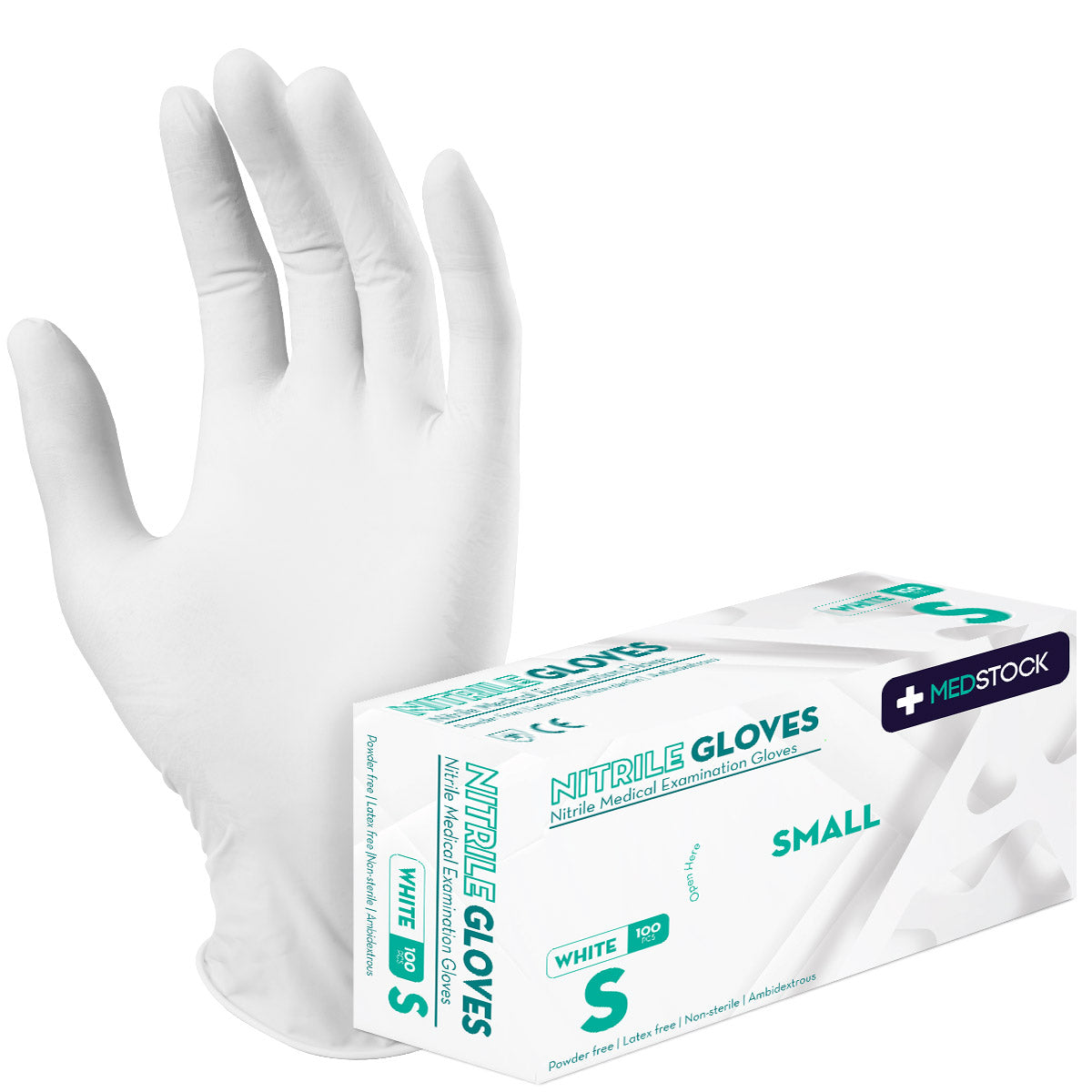
White Nitrile Medical Examination Gloves
Medstock White Nitrile Examination Gloves are medical grade and are specifically designed to give users a high level of comfort due to their elastic synthetic structure and unique textured fingers that enable a more firm grip. Medstock White Nitrile Examination Gloves particularly suit those who suffer latex and skin allergies, as they are latex and […]
Read more